The presence of a beautiful, flourishing garden is a powerful testament to a lifestyle centered around care, observation, and intentional design. Whether your home garden consists of a sprawling grass lawn bordered by colorful flower beds, a structured raised-bed vegetable patch on a backyard patio, or a curated collection of terracotta pots on a sunny apartment balcony, your cultivated green space holds the unique ability to elevate your property’s aesthetic status and introduce deep internal peace into your daily routine. However, maintaining a garden where plants do not merely survive but truly thrive requires moving beyond basic survival watering and exploring the fundamental principles of plant physiology, seasonal adaptation, and structural nourishment.
Achieving long-term horticultural excellence does not require you to possess a professional degree in landscape architecture or buy highly expensive industrial tools. The secret to maintaining a breathtakingly beautiful garden lies in executing small, high-impact maintenance tasks with consistency, precision, and strategic timing. By learning how to optimize your planting container systems, implement advanced nutrient schedules, and master pruning techniques, you can unlock the full genetic potential of your flora. This comprehensive masterclass guide explores deep, highly effective home gardening tips designed to help you cultivate an absolute oasis of beautiful, thriving, and long-lasting plant life.
Optimizing Container Dynamics, Drainage, and Root Aeration
A very common mistake that disrupts the beauty of a home garden is prioritizing the exterior look of a decorative pot while completely ignoring the structural environment it provides for the plant’s root system underneath the soil. The roots are the absolute engine of any plant, responsible for anchored stability, moisture absorption, and nutrient transport. If your roots are confined to a toxic, poorly drained container, the entire upper canopy will rapidly display signs of distress, including leaf dropping, yellowing, and stunted growth.
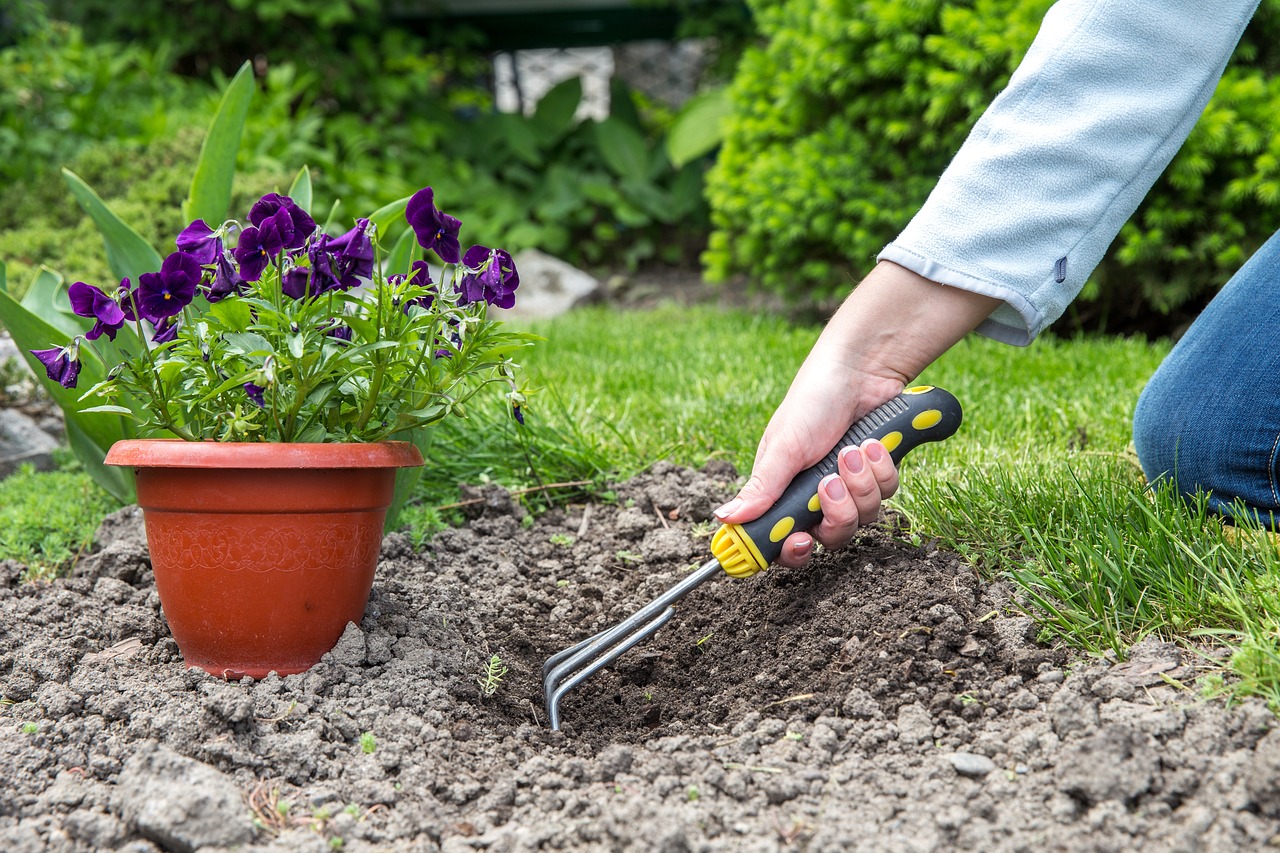
When setting up your home garden display, ensure that every single decorative pot you utilize features wide, completely unobstructed drainage holes at the base. If you fall in love with a beautiful ceramic or metallic planter that lacks drainage, do not plant directly into it. Instead, use the double-potting method: plant your flower or shrub inside a cheap, utilitarian plastic nursery pot with abundant drainage, and slip that assembly inside the gorgeous exterior decorative container. Furthermore, completely abandon cheap, heavy backyard dirt for your container gardening, as it rapidly compacts into a brick-like mass that suffocates root aeration when watered. Instead, invest in a premium, lightweight potting mix enhanced with perlite, vermiculite, and organic peat moss. These porous ingredients create miniature air pockets within the soil structure, allowing roots to expand effortlessly, breathe vital oxygen, and drink moisture without becoming waterlogged and rotten.
The Strategic Blueprint for Nutrient Feeding and Seasonal Pruning
Just like human beings and animals, plants require a consistent, balanced delivery of essential chemical elements to build physical tissues, generate green leaves, and push out stunning floral blooms. Soil nutrients are naturally consumed by plants and flushed away through drainage, watering over time, leaving your garden soil exhausted and empty after a single growing season. To keep your garden beautiful and thriving, you must implement a strategic organic feeding blueprint.
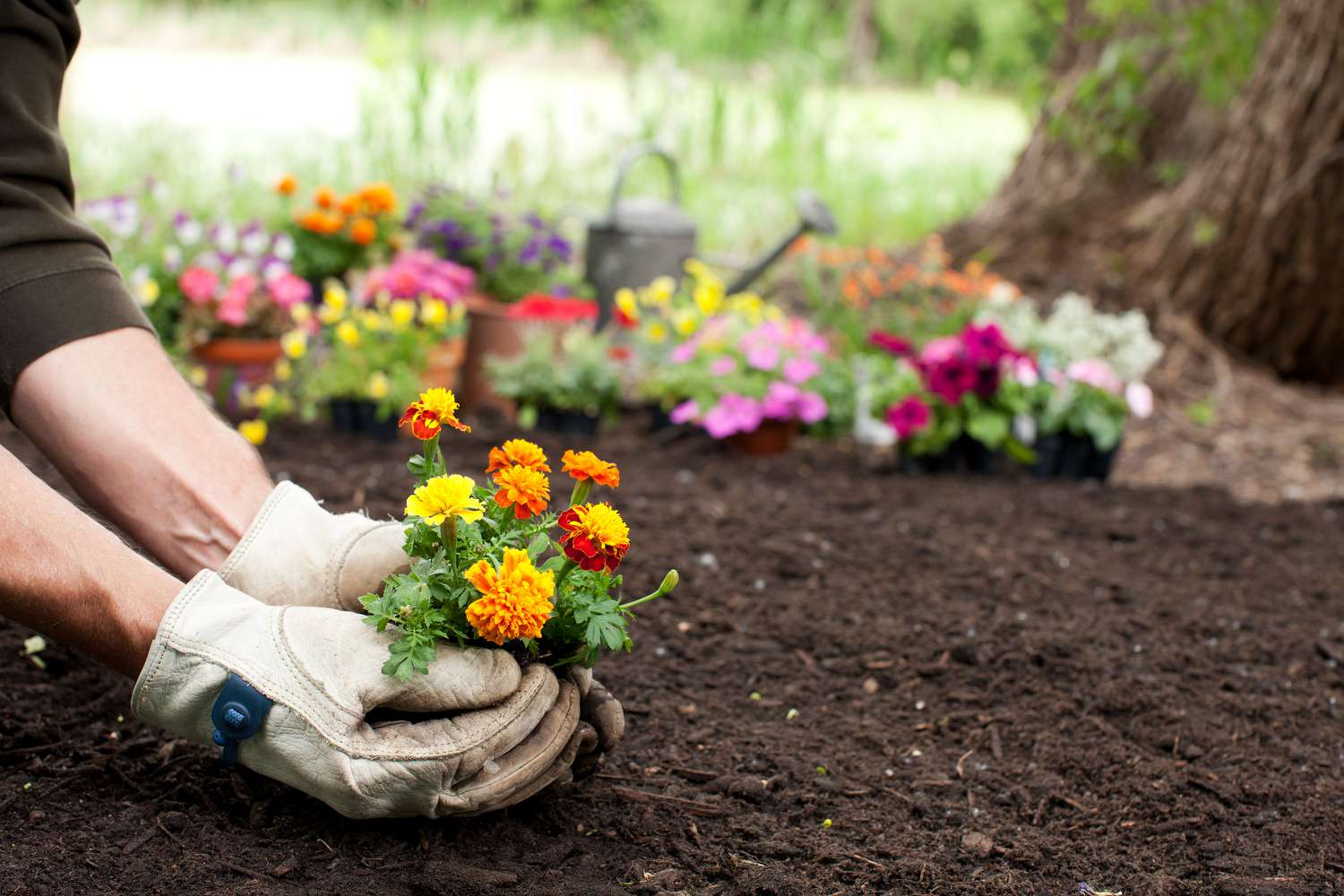
Familiarize yourself with the three primary macronutrients required by all plant life: Nitrogen for lush green leaf growth, Phosphorus for strong root systems and massive floral production, and Potassium for overall cellular strength and disease resistance. During the active spring and summer growing seasons, feed your garden beds and container displays once every two weeks with a diluted, high-quality organic liquid seaweed or fish emulsion fertilizer. This delivery provides a gentle, wide spectrum of micronutrients that strengthen the plant from the inside out. Complement this feeding schedule with the vital art of deadheading and pruning. Deadheading is the practice of pinching off fading, wilted, or dead flower blossoms from your flowering plants like roses, marigolds, and petunias. When you remove a dying flower before it can drop its seeds, you trick the plant into redirecting its hormonal energy toward generating a brand new wave of abundant, colorful blooms, resulting in a perpetually beautiful display.
Implementing Proactive Pest Management and Environmental Protection
A beautiful home garden can rapidly transform into a stressful battleground if an unexpected infestation of destructive insects like aphids, spider mites, mealybugs, or whiteflies is permitted to take over your foliage unchecked. Waiting until your plant leaves are completely covered in holes or sticky residue before reacting makes eradication incredibly difficult and physically draining for the plant. The secret to keeping your plants beautiful and pristine is executing proactive, natural pest management on a weekly basis.
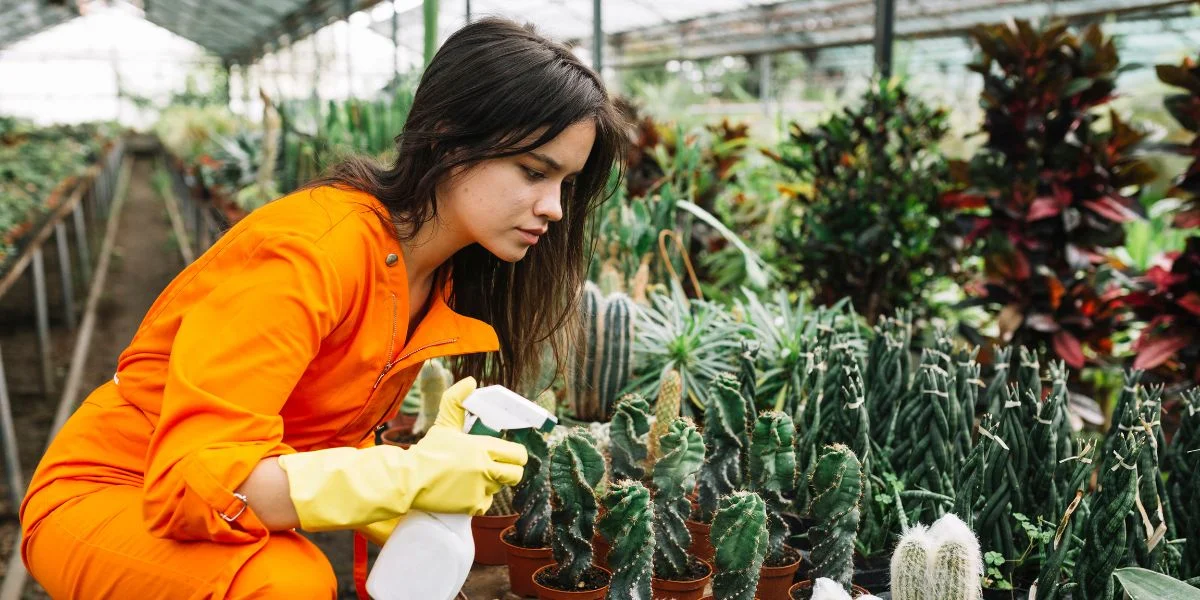
Develop a regular habit of closely inspecting the undersides of your plant leaves and the tender new growth tips whenever you are watering your garden, as this is where invasive pests love to hide and multiply. If you spot the early warning signs of an insect invasion, completely avoid spraying harsh chemical insecticides that harm local honeybees, pets, and children. Instead, mix a simple, highly effective organic spray solution by combining one tablespoon of pure, cold-pressed organic Neem oil and a few drops of mild liquid dish soap inside a gallon of warm water. Spray this natural mixture thoroughly over your plant foliage once a week during the evening hours after the sun has set. Neem oil acts as a safe, natural hormonal disruptor that stops destructive pests from feeding and reproducing while remaining completely non-toxic to your household, ensuring your garden remains a safe, beautiful, and thriving natural paradise for years to come.