The pursuit of a neat, beautifully organized home frequently hits a major structural wall when a living space lacks intelligent, functional, and practical storage solutions. Many individuals are highly motivated to declutter their belongings, but once they have curated their items down to the absolute essentials, they find themselves with no intuitive, designated places to store them. As a result, items end up stacked in random, unstable piles on closet floors, shoved haphazardly into overstuffed cabinets, or spilling out over valuable living areas. This lack of structural organization recreates the exact same cycle of visual stress and functional frustration that decluttering was meant to solve. To maintain an immaculate interior, you must learn how to maximize every single square inch of your available footprint by implementing advanced, hidden, and highly efficient storage architectures.
Practical storage optimization is not about buying generic plastic bins and stacking them along your walls until your home looks like a commercial shipping warehouse. High-end storage design is about seamlessly integrating organizational systems into the existing layout of your home, utilizing under-utilized vertical zones, and investing in multi-functional furniture assets that work twice as hard to keep chaos at bay. This comprehensive guide details highly strategic, practical storage solutions designed to help you optimize every hidden corner, streamline your daily routines, and keep your home organized permanently.
Elevating Spatial Capacity through Vertical Wall Architecture
The single greatest layout mistake made in modern residential homes is the complete under-utilization of vertical wall space. Most organizational strategies focus entirely on floor-bound storage, such as buying low chests of drawers, sideboards, and traditional floor shelves. This approach leaves a vast amount of empty air space between the top of your furniture and the ceiling completely wasted, while simultaneously crowding your valuable floor space and making rooms look cramped and restrictive.
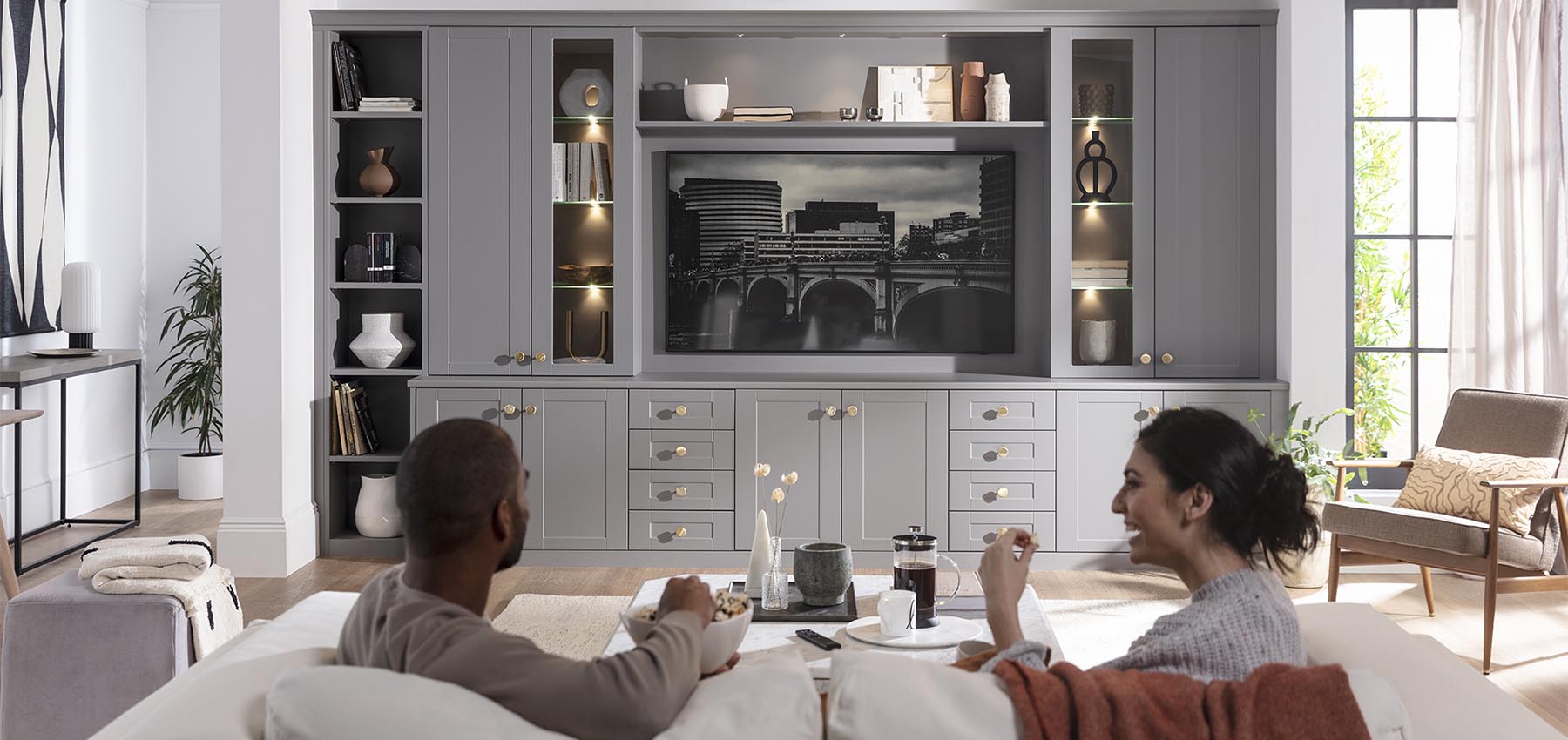
To rapidly increase your home storage capacity, you must shift your perspective upward and invest heavily in floor-to-ceiling vertical shelving and custom floating wall installations. In the living room, replace a standard low television stand with a comprehensive wall unit that stretches all the way up to the ceiling, providing deep lower cabinets to hide electronics and open upper shelves to display curated books and art. In small bedrooms or home offices, install floating wooden shelves directly above desks and beds to store reference materials and personal items without consuming a single inch of walking space. When designing storage inside clothes closets, permanently discard the single builder-grade wire rack and install a vertical system featuring adjustable shelving heights, double hanging rods, and pull-out fabric baskets that extend all the way to the top ceiling line. This simple shift draws the eyes upward, creates an illusion of grand architectural height, and unlocks massive amounts of hidden storage space.
Maximizing the Hidden Dimensions of Underutilized Dead Zones
Every house or apartment contains a significant amount of dead zones—hidden structural areas that are completely ignored because they are tucked away from direct sight lines. These areas include the space beneath bed frames, the deep, dark recesses of corner kitchen cabinets, the void beneath staircases, and the unused areas behind interior doors. Leaving these zones empty while complaining about a lack of closet space is a massive missed opportunity in home organization.
Transform the dead space beneath your bed into an ultra-functional storage vault by investing in low-profile, rolling wooden drawers or zippered linen storage bags. This is the absolute ideal location to store out-of-season wardrobe pieces, heavy winter comforters, and extra guest pillows completely out of sight. In the kitchen, eliminate the frustration of deep, inaccessible base cabinets by installing aftermarket pull-out wire baskets or rotating Lazy Susan shelving mechanisms. These mechanical additions bring items from the back of the cabinet directly to your fingertips, ensuring that no canned good or cooking pot is ever lost or forgotten in a dark corner again. For pantries and bathrooms, utilize over-the-door hanging pocket organizers to hold spice jars, cleaning supplies, or hair styling tools, turning a flat wooden door into an incredibly efficient vertical storage asset.
The Power of Monochromatic Micro-Containment and Uniform Labeling
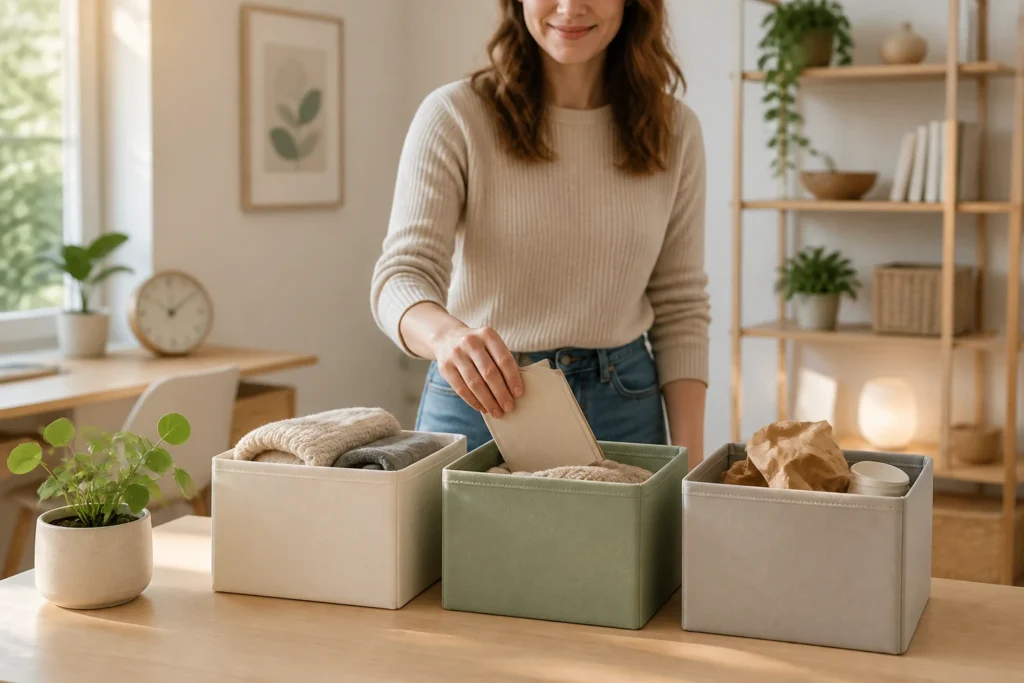
Once you have successfully optimized your vertical walls and dead zones, the final phase of practical storage mastery centers around the concept of micro-containment. Shoving loose items directly onto an open shelf or inside a deep drawer simply creates a hidden version of the same clutter. To keep your storage spaces organized over the long term, you must group like items inside uniform container systems.
When selecting storage containers for your pantries, closets, and laundry rooms, permanently avoid buying a mismatched variety of neon-colored plastic bins, which look visually chaotic and cheap. Instead, select a single, cohesive style of containment that matches the design aesthetic of your home, such as matching hand-woven wicker baskets, clear heavy-duty glass jars, or matte white acrylic bins. Utilizing a monochromatic, uniform container palette instantly introduces a sense of high-end boutique luxury and visual calm to your shelves. Once your items are sorted into these bins, implement a clear, uniform labeling system using a modern label maker or custom script stickers. Labeling every container eliminates all daily guesswork, ensuring that every member of the household knows exactly where an object belongs when it is time to clean up, securing a neat, highly organized, and stress-free living space for years to come.