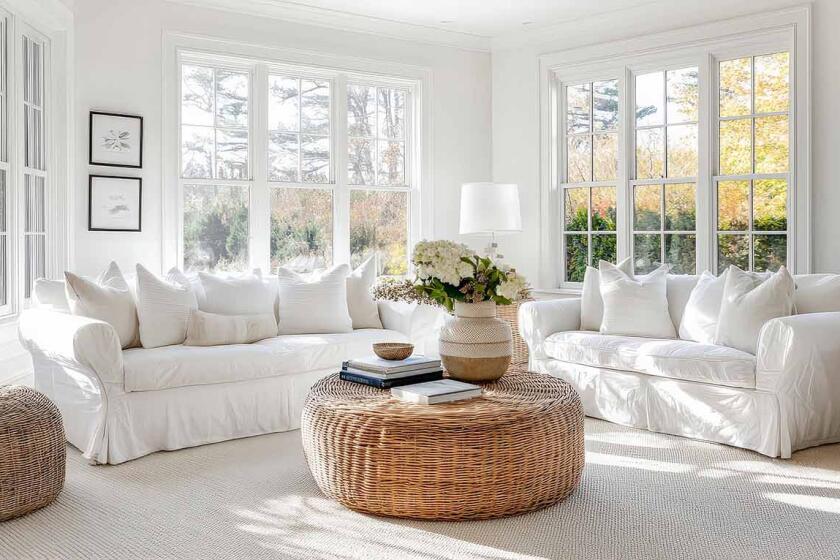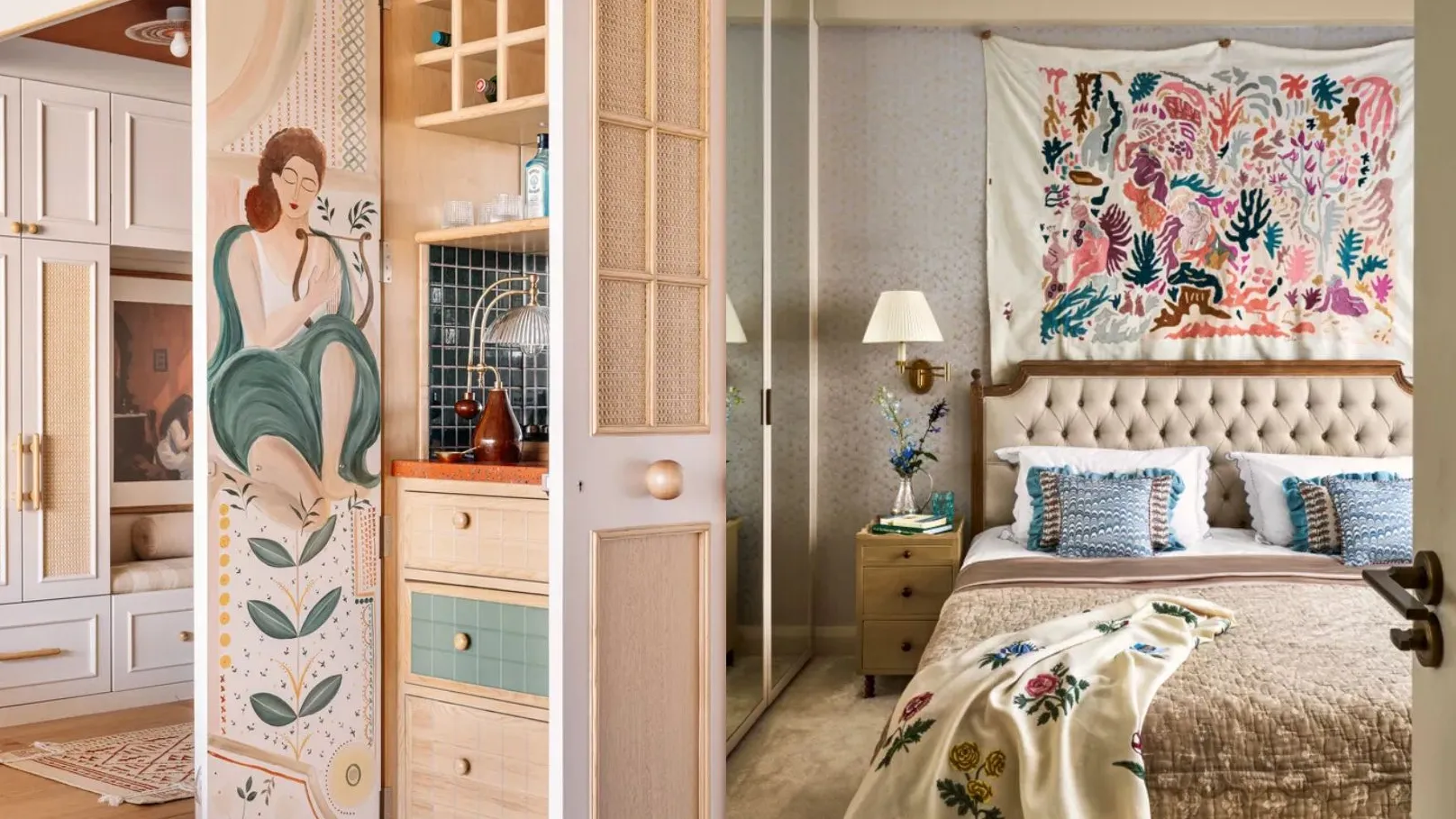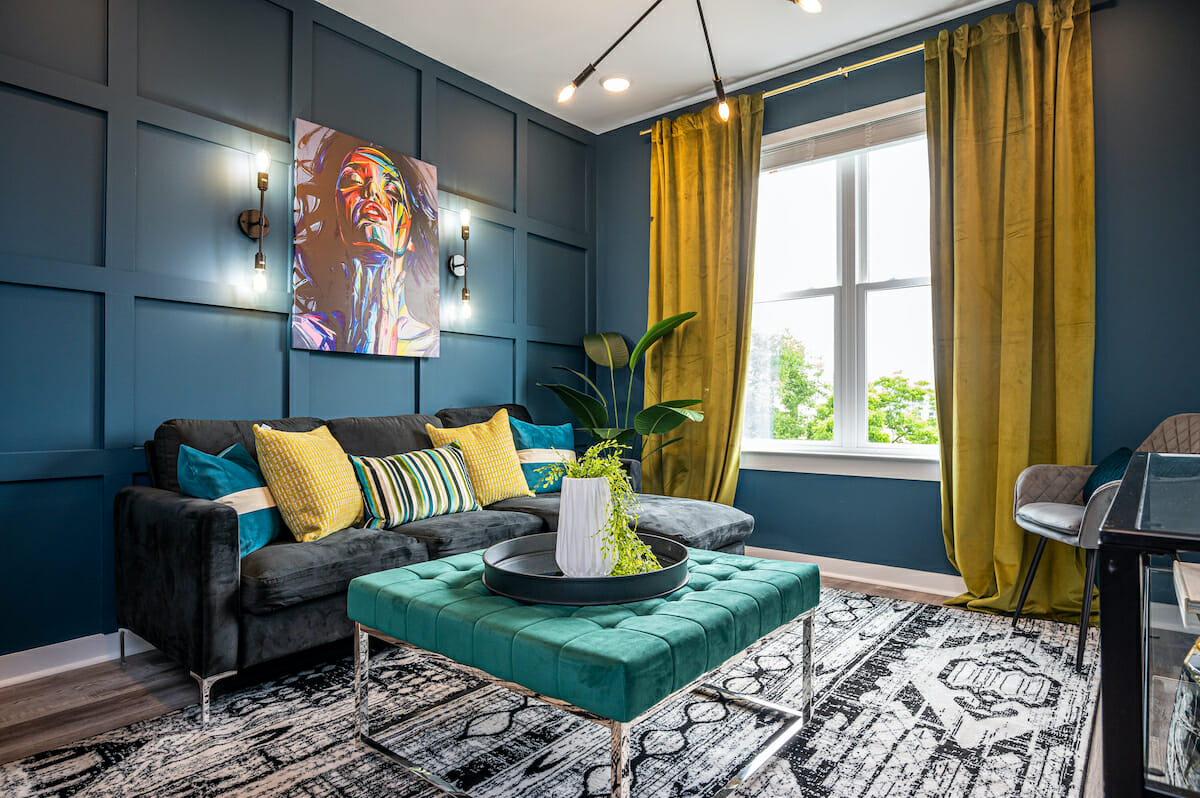
The spaces we inhabit on a daily basis have a profound psychological impact on our mental clarity, emotional well-being, and overall productivity levels. A home should never feel like a random collection of walls and furniture pieces; instead, it should serve as a sacred personal sanctuary that reflects your unique identity, values, and aesthetic preferences. Many individuals mistakenly believe that transforming a dull or uninspired living space requires executing a massive, structurally disruptive architectural renovation or spending an exorbitant amount of money on luxury designer furniture. However, true interior design mastery lies in understanding the subtle power of simple, intentional design shifts that alter how light, space, and texture interact within a room.
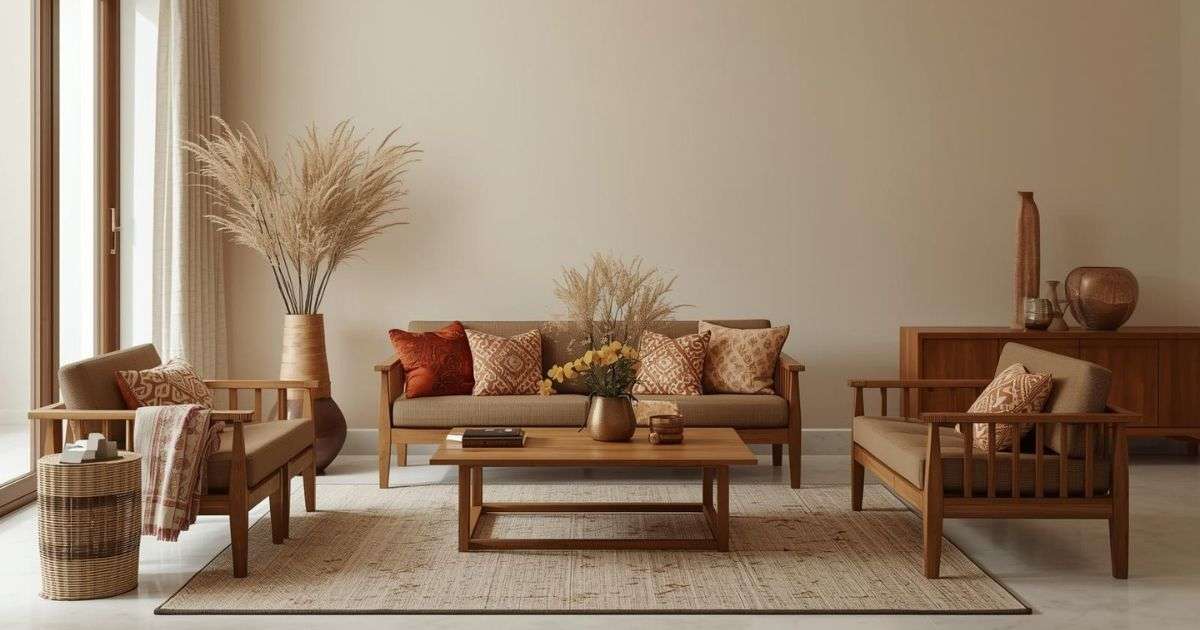
The philosophy of simple home decor operates on the principle of editing and refinement rather than constant accumulation. By focusing on foundational design elements such as spatial arrangement, color psychology, organic integration, and intentional focal points, you can breathe fresh life into any tired environment. This comprehensive masterclass guide explores highly effective, practical, and simple design strategies that will allow you to maximize your current square footage and establish an atmosphere of sophisticated harmony throughout your entire home.
The Art of Spatial Decluttering and Layout Optimization
Before introducing a single new decorative item into a room, you must analyze the existing physical blueprint and remove the visual noise that naturally accumulates over time. Physical clutter acts as a major barrier to light reflection and spatial movement, making even the largest rooms feel cramped, dark, and chaotic. Decluttering is not merely about hiding items away in closets; it is an intentional design process that requires evaluating the utility and emotional resonance of every piece of furniture and decor in your possession.
Once a space has been thoroughly cleared, turn your full attention to layout optimization. The arrangement of your furniture dictates the energetic flow and social functionality of the room. A common design error is pushing every single piece of furniture completely flat against the walls, which often creates an awkward, empty void in the center of the room and highlights tight boundaries. To create an immediate illusion of depth and luxury, try floating your furniture. Pull your main sofa and accent chairs a few inches away from the walls, clustering them around a central point like a beautiful rug or a fireplace. This arrangement establishes clear pathways for movement and instantly creates an intimate, welcoming conversation zone that feels balanced and professionally curated.
Harnessing the Visual Magic of Mirrors and Natural Light
Light is the ultimate director of interior design, possessing the capability to make a tiny apartment feel like an expansive loft or a grand room feel cold and uninviting. Maximizing the entry of natural daylight should be a top priority in your simple decorating strategy. Heavy, dark, and thick velvet window draperies should be replaced with lightweight, breathable fabrics such as sheer linen or soft cotton in neutral shades like ivory, cream, or pale gray. These textiles allow sunlight to filter through softly, illuminating the dark corners of your room while maintaining your personal privacy.
To amplify the presence of natural daylight exponentially, utilize the strategic placement of mirrors. Mirrors are incredible design tools that act as optical illusions, effectively doubling the visual boundaries of any room. Instead of hanging a small mirror randomly on a wall, position a large, full-length floor mirror directly opposite your primary window. When the incoming daylight strikes the reflective surface of the glass, it bounces the light deep into the interior architecture, instantly making the space appear twice as bright and significantly more spacious. Additionally, selecting a mirror with a clean, minimalist frame adds a sleek, modern structural line to your wall decor.
Introducing Organic Elements and Living Textures
A room styled entirely with synthetic materials, hard plastics, and flat painted surfaces can easily look sterile, artificial, and devoid of human warmth. To bridge the gap between interior comfort and the soothing patterns of nature, you must introduce organic elements and living textures into your decor strategy. Indoor plants are the ultimate affordable tool to inject immediate vitality, color, and motion into an uninspired room.
When decorating with plants, aim for a balanced distribution of heights and leaf textures to create visual layers. Position a large, structural statement plant such as a Fiddle Leaf Fig, a Monstera Deliciosa, or a majestic Bird of Paradise in an empty corner to draw the eyes upward and soften the harsh angle of the walls. For smaller surfaces like coffee tables, floating wall shelves, and sideboards, utilize cascading plants like Pothos or English Ivy, allowing the green vines to drape down naturally over the edges. If you do not possess a green thumb, high-quality dried botanicals such as fluffy pampas grass, eucalyptus branches, or dried palm spears arranged in a minimalist ceramic vase offer the same earthy texture and organic sophistication without requiring any daily maintenance or sunlight.