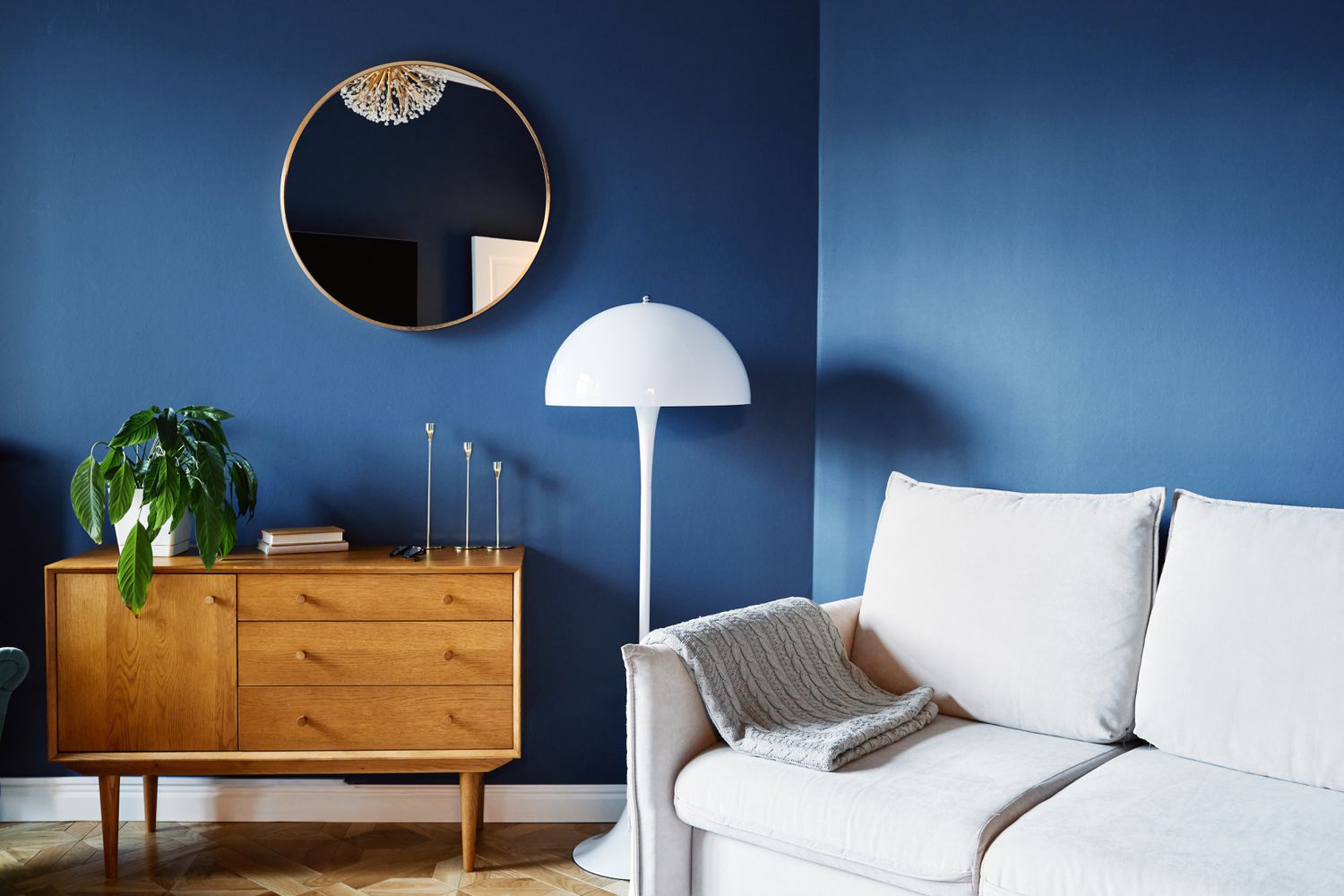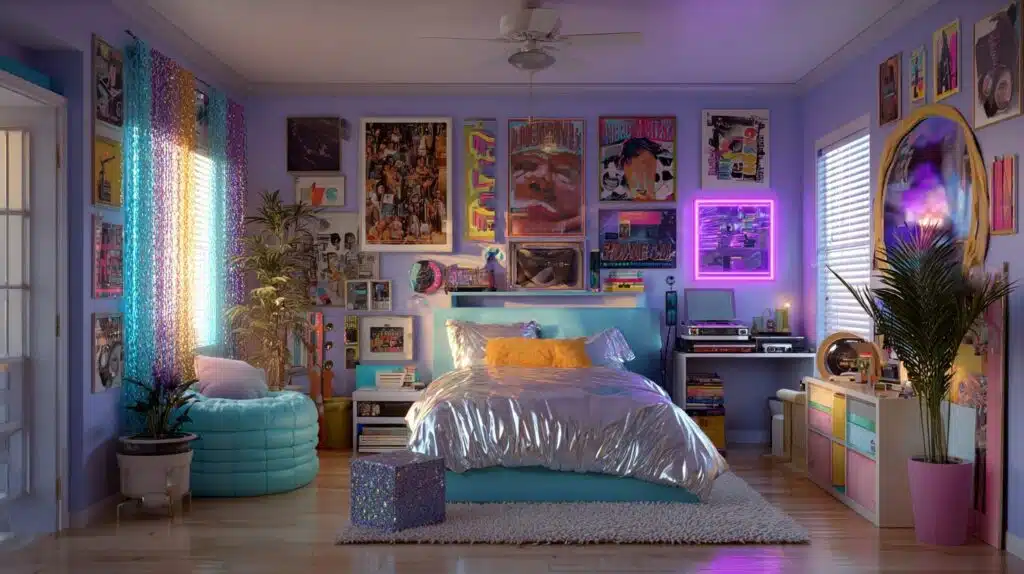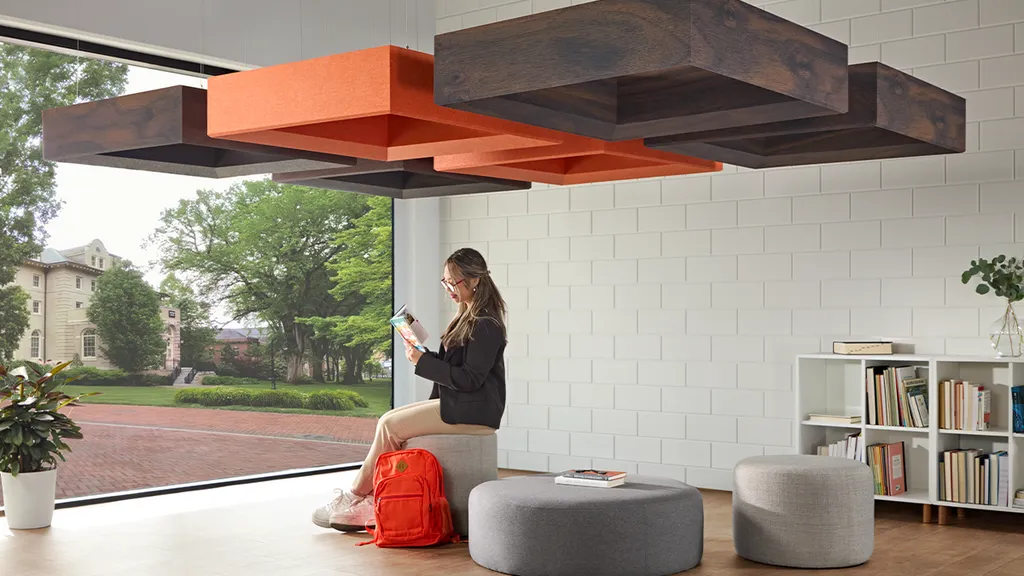
The contemporary philosophy of home styling has undergone a massive, deeply comforting evolution, moving decisively away from the stiff, formal show-homes of the past toward spaces that prioritize human well-being, tactile relaxation, and emotional security. In previous design eras, high style was frequently associated with cold minimalism, sharp angles, and delicate, uninviting materials that felt more like a museum gallery than a functional family sanctuary. Today, the global interior movement is completely captivated by a concept known as cozy modernism. This styling approach demonstrates that a living space can look incredibly sophisticated, trendy, and architecturally sound while simultaneously providing a deep sense of physical comfort, physical restoration, and everyday warmth.
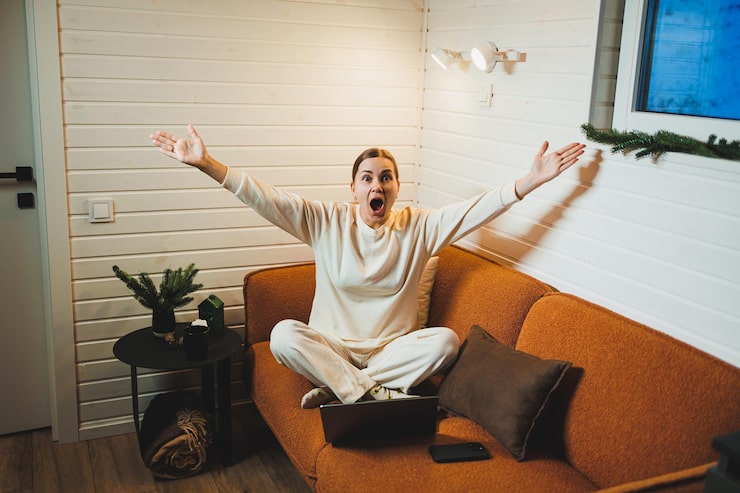
Redefining everyday comfort within your home requires looking at your interior through a sensory lens. True comfort is not merely about owning a soft mattress or a large sofa; it is manufactured at the intersection of ergonomics, soft textile layering, warm color psychology, and the absolute elimination of visual stress. This comprehensive guide details essential home styling concepts designed to help you transform your current living spaces into an ultra-comfortable, nurturing haven that cradles your body and rejuvenates your spirit after a long, exhausting day in the outside world.
Embracing the Human Psychology of Curved and Organic Silhouettes
One of the most effective ways to introduce immediate comfort into a home styling plan is to evaluate the structural lines of your furniture collection. For years, modern design was heavily dominated by sharp, rigid squares, harsh rectangles, and aggressive geometric angles. While these lines look very clean in architectural drawings, they can register as cold and unyielding to the human subconscious mind, creating a subtle, underlying tension within a room. Modern cozy styling relies heavily on organic curves, rounded profiles, and soft silhouettes to create an atmosphere of absolute safety and relaxation.
When selecting main furniture anchors for your living room or bedroom, look for pieces that celebrate these sweeping, fluid lines. A curved or crescent-shaped sofa upholstered in a rich tactile fabric instantly softens the rigid box-like nature of standard room construction, creating a natural flow that gently guides the eyes across the space. Complement these larger items with round nested wooden coffee tables, arched wall mirrors, and spherical ceramic decorative objects. Even small adjustments, such as choosing a dining table with soft, rounded corners instead of sharp edges, completely alter how people interact with the furniture, promoting a more relaxed, communal, and comfortable social experience for everyone involved.
Mastering the Art of Multi-Sensory Textile Layering
To elevate a room from looking beautiful to feeling exceptionally cozy, you must move away from flat matching furniture sets and master the multi-sensory art of textile layering. Texture is the secret language of high-end, comfortable design. When an interior color palette is restricted to calm neutrals, introducing contrast through the physical feel of different materials is what prevents the room from looking boring, cold, or flat.
Begin by evaluating your primary seating anchors and bedding systems. If your sofa features a smooth, cool leather finish, balance that texture by layering a chunky, hand-woven wool throw blanket over the backrest and tossing on a few cushions covered in a rich, heavily textured cream bouclé fabric. In the bedroom, discard stiff, starched synthetic sheets and invest in pre-washed organic linen or soft bamboo bedding that drapes over the body with weightless comfort. Anchor your hard flooring surfaces with thick, plush area rugs made from natural fibers like New Zealand wool or hand-woven cotton. This juxtaposition of rough and smooth, matte and reflective, hard and soft, creates a multi-dimensional sensory landscape that actively invites you to kick off your shoes, touch the surfaces, and sink into a state of absolute physical relaxation.
The Psychology of Warm, Grounded Earth-Tone Color Stories
Color holds an immediate, undeniable pathway to human emotion and psychological comfort. The modern movement toward everyday comfort has officially retired the use of cold industrial grays and stark, blinding hospital whites, which can trigger feelings of isolation and alertness. Contemporary comfort styling looks directly to the natural landscape for inspiration, constructing sophisticated interior color schemes around warm, grounded earth tones.
Build your room’s color foundation using a palette of soft biscuit beige, warm ivory, rich taupe, soothing sage green, terracotta, and deep espresso brown. These shades possess a unique biological ability to lower visual stimulation and promote a sense of security and stability within the brain. When applying these colors to your walls, opt for a flat or dead-matte paint finish rather than high-gloss, as a matte finish absorbs incoming light softly, eliminating harsh glare and creating a velvet-like texture on the vertical planes. Wrapping your room in these rich, natural tones establishes an environment that feels deeply secure, grounded, and perpetually comforting to live in.