The environments we cultivate within our primary living zones hold an undeniable psychological power over our daily emotional rhythms, baseline stress levels, and cognitive clarity. A living space should never remain static or grow stagnant, as the visual and structural patterns around us directly dictate how we process thoughts and recover from external pressures. Over time, furniture arrangements can begin to feel uninspired, color palettes lose their initial vibrancy, and the natural accumulation of daily life can suffocate the energetic flow of a room. Executing a comprehensive living space transformation is not about erasing the architectural history of your home or investing in expensive commercial modifications. True design evolution is about understanding how to shift the visual weight, redirect the paths of light, and introduce fresh layers of sensory depth that fundamentally alter the atmosphere, injecting a vibrant, positive, and fresh vibe into your everyday environment.
To successfully revitalize a tired living space, you must learn to look past the current boundaries of your rooms and analyze them through the lens of modern spatial dynamics. A fresh home vibe is achieved when functionality meets artistic curation, allowing each design choice to breathe energy into the adjacent elements. This comprehensive masterclass guide explores deep, highly effective, and actionable transformation blueprints designed to optimize your current layout, maximize your natural illumination, and introduce sophisticated styling layers that will breathe new life into your home ecosystem.
Reconfiguring Spatial Flow with Architectural Furniture Zoning
The foundational layout of your furniture dictates how people move through, interact within, and experience a room. A very common design mistake that results in a heavy, dated home vibe is the practice of lining up every single piece of furniture directly against the walls, leaving a vast, cold, and empty void in the exact center of the room. This arrangement highlights the strict physical boundaries of your walls, making rooms feel significantly smaller and more restrictive than they actually are. To initiate a true spatial transformation, you must embrace the concept of architectural furniture zoning.
Begin by floating your primary seating arrangements away from the perimeter walls. Pull your main sofa, loveseat, and accent chairs inward, anchoring them over a single, large area rug to establish a clearly defined conversation hub. This simple shift instantly introduces an element of high-end hotel luxury, creating clean, unobstructed pathways for movement along the outer edges of the room. When zoning a multifunctional living area, utilize low-profile furniture pieces like a sleek wooden console table or a tailored bench behind the sofa to separate the relaxation zone from a dining area or a home workspace. This structural arrangement allows light and air to circulate freely across the entire floor plan, breaking up the horizontal monotony and producing a balanced, dynamic environment that feels instantly fresh and intentionally curated.
Amplifying Visual Scale through Advanced Lighting Layering
Light is the ultimate director of interior design, possessing the absolute power to make a compact apartment look like an expansive luxury loft or a grand room feel dark and unwelcoming. Relying solely on a single, bright overhead ceiling fixture is a guaranteed way to flatten your interior features, cast harsh shadows down over faces, and create an institutional vibe. To cultivate a fresh, sophisticated, and vibrant atmosphere, you must implement a three-tier lighting system consisting of ambient, task, and accent illumination.
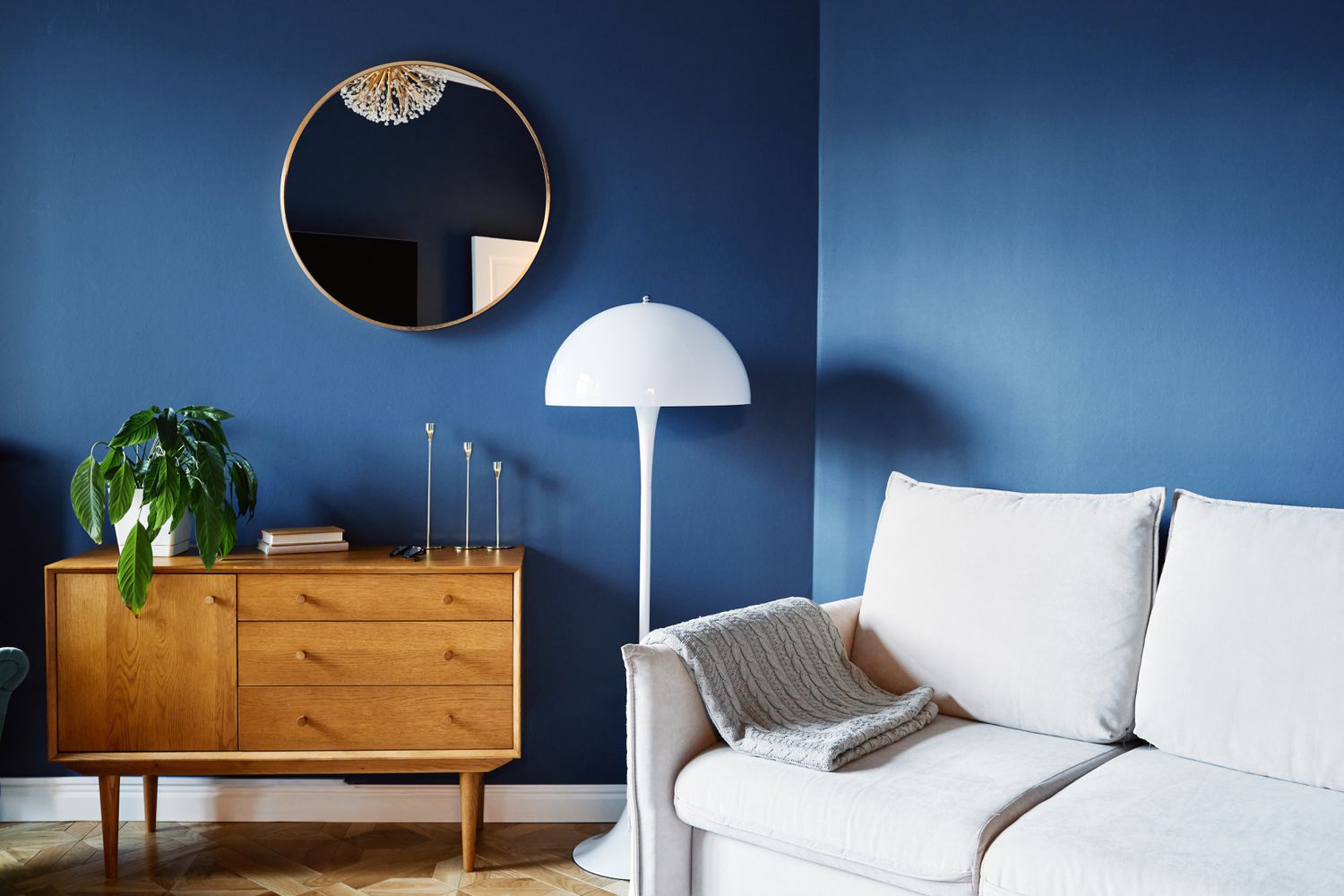
Start by maximizing the entry of natural daylight during the morning and afternoon hours. Replace heavy, thick window draperies with lightweight, breathable linen or cotton panels in soft shades like alabaster, ivory, or warm cream. These semi-sheer fabrics allow sunlight to filter through softly, eliminating dark corners while maintaining personal privacy. To complement this natural light in the evening, distribute varied sources of warmth across different heights in the room. Position a sleek, structural metal floor lamp next to your reading chair, place warm-toned ceramic table lamps on your sideboards, and insert miniature cordless LED accent lights deep within open bookshelves to illuminate beautiful decorative objects. This multi-layered approach eliminates cold pockets of shadow, introduces beautiful dimensions, and bathes your home in a soft, glowing embrace that shifts mood effortlessly as day transitions to night.
Integrating Botanical Dynamics and Living Textures for Organic Vibrancy
A home styled entirely with synthetic textiles, smooth plastics, and flat painted drywalls can easily look sterile, artificial, and detached from the soothing patterns of the natural world. To inject an undeniable element of fresh, living energy into your transformation strategy, you must invite organic elements and living textures into your rooms. Indoor plants are the ultimate design tool to introduce instant motion, cellular texture, and evolving color to an uninspired room layout.
When decorating with botanicals, aim to create visual depth by layering different heights and leaf structures across the space. Place a large, structural statement plant like a Fiddle Leaf Fig or a majestic Bird of Paradise in an empty, neglected corner to draw the eyes upward and soften the harsh right-angle intersections of your walls. For mid-level surfaces such as mantels, floating shelves, and side tables, utilize cascading vine plants like a classic Pothos or a Swiss Cheese Monstera, allowing the green leaves to drape down naturally over the edges of the furniture. If your busy schedule makes caring for live plants impractical, you can achieve the same organic sophistication by arranging dried natural branches, such as fluffy pampas grass, eucalyptus stems, or large dried palm spears, inside a minimalist matte ceramic vase. These earthy materials introduce a gorgeous, rustic textural contrast that grounds the modern elements of your room perfectly.